

Your people already started
In almost every company I walk into, someone has been using AI for months without telling anyone. Sales writes proposals with it. A planner cleans up route lists. Somebody in finance built a formula that only she can explain. No one asked permission, and no one filed a report.
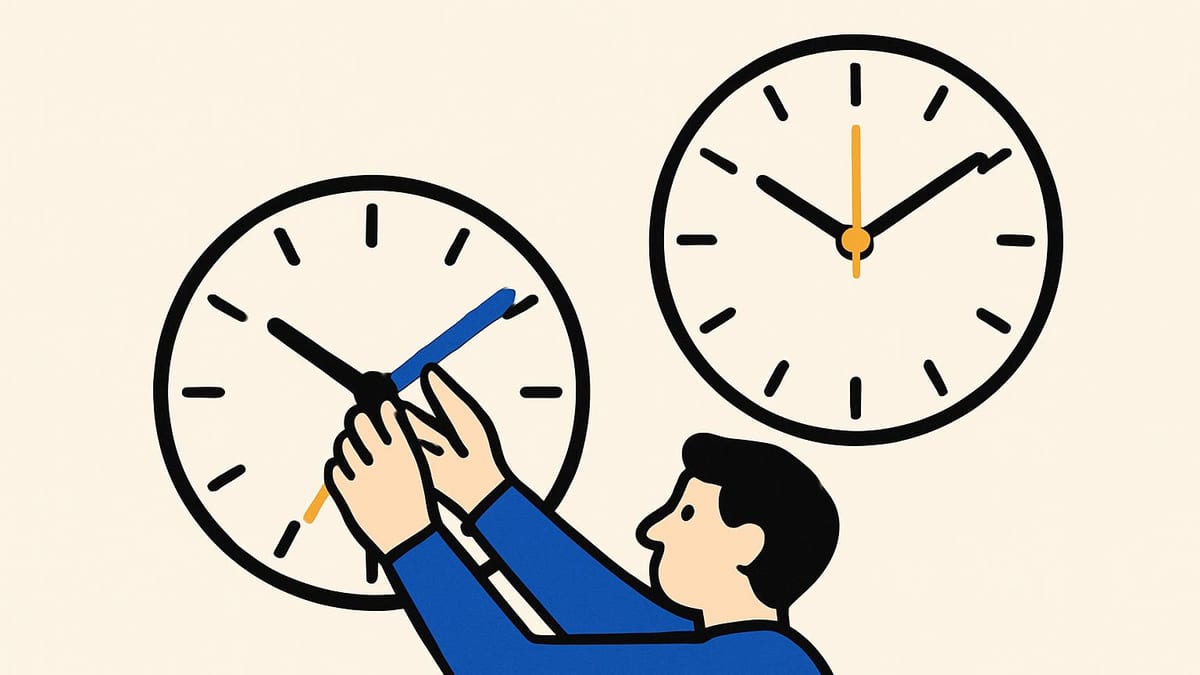
In the same building, the management team is discussing a plan of approach, a pilot phase, a kickoff after the summer. Two clocks, running at very different speeds. That gap is where the old change plan comes apart.
The plan of yesterday
A classic change program starts with a burning platform and a target audience. You name the threat, you pick the group that has to move, you write a communication plan, and you roll out in waves across twelve to eighteen months. That approach did its job for a new ERP system, a new service model, a merger.
Five things break it with AI:
- the pace, because the tools change faster than your rollout calendar
- the rational self interest of your people, who can see the work getting smaller
- the shadow adoption, which started before your first meeting
- the burning platform nobody sees, because customers leave quietly and slowly
- the missing target audience, because this touches every role in the building
Where it tips
The old way asked who has to change; the new way asks who already has. Those two questions produce completely different programs. The first one produces a training schedule. The second one produces a map of what people are doing right now, which tools they pay for out of their own pocket, and which task they would hand over tomorrow.
Transformation is finished when the new way of working survives the departure of the people who pushed it. Until that point you have a project with enthusiasts attached.
A way of working belongs to the company the day its champion can leave without anything sliding back.
The order that works
There is a sequence, and the mistake most owners make is starting at step eight. Scaling comes last, after seven things have already happened.
- a North Star that says what this is for in one sentence
- a small start, one team, one process, one month
- a sponsor who owns budget and shows up in the room
- a success story with a name and a number attached
- noise about that story, in the Monday meeting and in the hallway
- the early adopters, who get the next use case
- other people carrying the story, not only you
- scaling up
The sponsor is the step people skip
A sponsor who lends their name and nothing else gives you a stalled pilot. Put a recurring half hour in their calendar and let them open the demo. That half hour does more than a campaign.
Show, do together, do alone
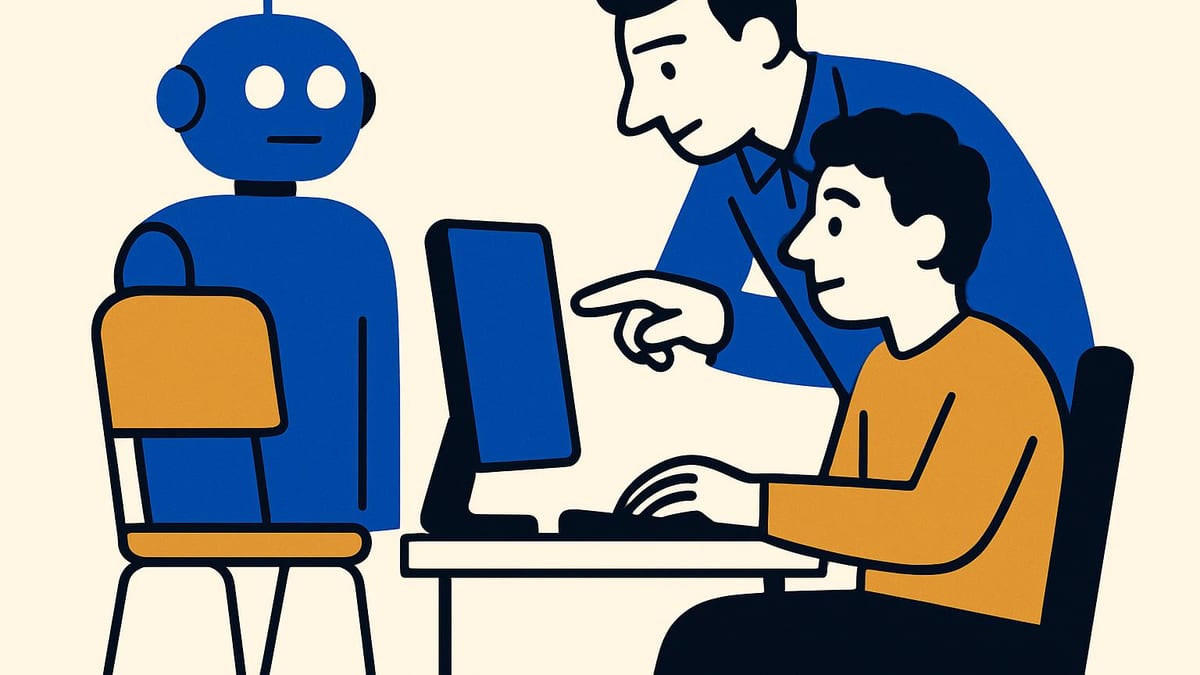
Adoption runs on three steps, and all three take a person, not a manual. You do it in front of them. You do it with them, hands on their own work. Then they do it themselves while you stay in the room.
The layer that AI threatens most is the one between you and the shop floor. Team leads, supervisors, office managers. Their work is coordination, and coordination is exactly what a model is good at. Hand them the hosting role. Let them run the show, do together, do alone sessions for their own team, and the thing they feared becomes the thing they own.
What you do on Monday
- Ask every team in one round what they already use AI for, with no consequences attached to the answer
- Pick one process in one team and give it four weeks, no more
- Put your own name on it as sponsor and block a half hour per week in your calendar
- Write down one sentence that says what this is for, and test it on the person furthest from your desk
- Give a team lead the first show, do together, do alone session and let them pick the topic
Most owners get stuck between the first pilot and the second one. The AI Transformation Roadmap lays out the order described above, with the sponsor role and the adoption sessions worked out per step. See the materials