
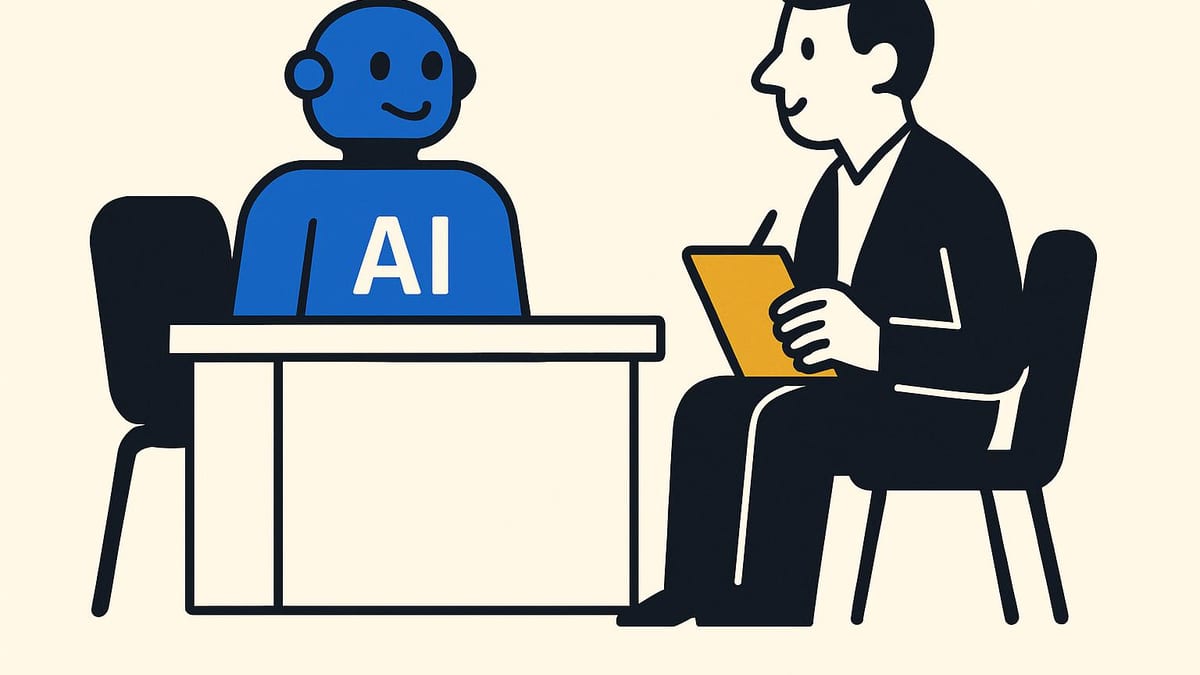
Your answer now has two readers
A board member read a customer complaint out loud in a quarterly review, and the room went quiet for the wrong reason. The letter was three paragraphs long, numbered, calm, and it quoted the exact clause from the terms and conditions that the company had breached. Someone around the table said it read like it came from a law firm. It came from a woman who works in logistics and drafted it on her phone on a Tuesday evening, with help.
That moment is the whole case. The person on the other side of your customer journey has picked up a tool that upgrades their preparation, their tone and their persistence, and most of your service design still assumes they have none of that. This is part one of two. Here I put the case on the table. Part two is about what you build in response.
The message was drafted twice
Every message that reaches you now passes two readers before it arrives, and one of them is a machine. The customer wrote the intent. The assistant sharpened the wording, found the clause, suggested the escalation. By the time your agent opens the ticket, the quality of the input has gone up and the patience behind it has gone down.
The same thing happens on your side of the line, which is where it gets interesting for a board. Your answer is read by a person and increasingly also summarised, checked and compared by their assistant. Vague, hedged, carefully legal wording survives a human reader. It gets flattened by a second one.
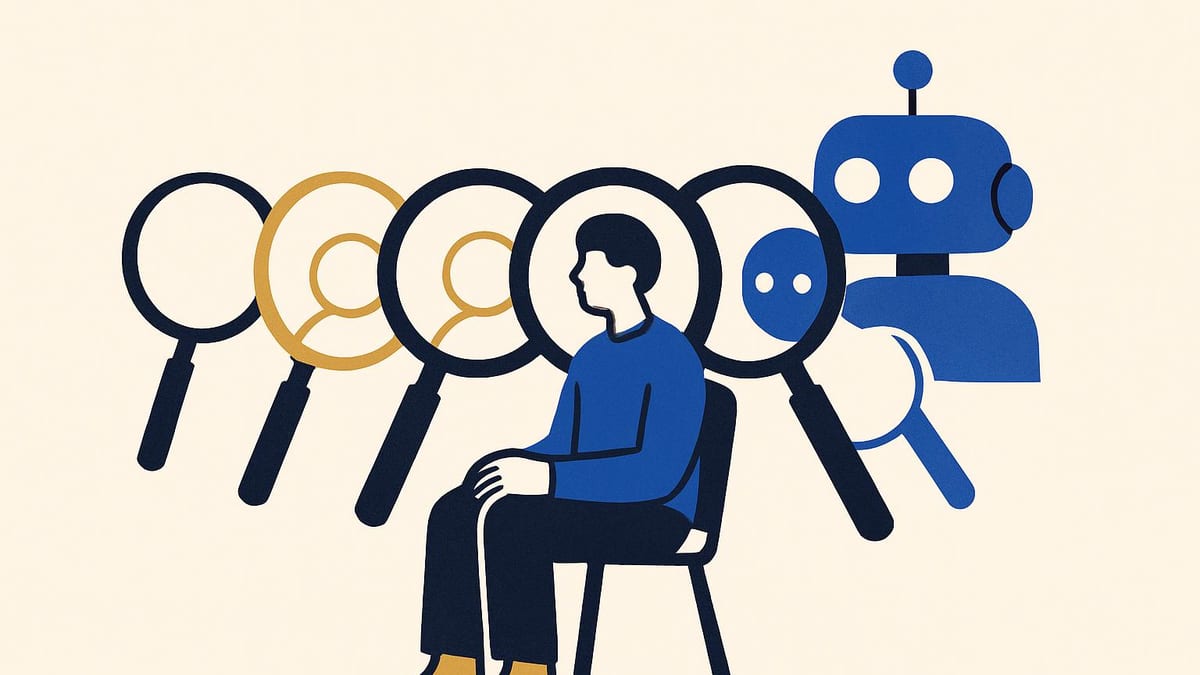
The person on the other side now has a research department in their pocket.
Five lenses on the same person
Chapter one of CX+AI reads the customer through five lenses, and each one now has a second reader sitting behind it.
- need and emotion
- generation
- psychology
- channel and trust
- life moments
The lenses themselves have not changed. What changed is that a customer in a moment of stress, at a funeral, a move, a divorce, a claim, now has something that writes for them when their own words fail. Their phrasing improves exactly when their emotional state is at its worst. Your intake model reads calm text and routes it as a calm case.
The generation numbers are already past the tipping point
Roughly three quarters of Gen Z actively use generative AI. That is your future customer base, and for a large part of it the assistant is already the default first stop rather than your website.
Among millennials, four in five used AI in the past year and three quarters say it improves their efficiency. These are the people signing mortgages, buying insurance and making the household decisions that sit in your revenue forecast for the next decade.
The older end of the market is a different conversation, and a solvable one. A third of non-users among early boomers say they do not understand the tools well enough yet. That is a comprehension gap, and comprehension gaps close.
Passive adoption runs three times ahead
Passive adoption runs roughly three times ahead of active adoption, and that is the number most boards miss. Active use is visible. Someone opens a chat window and types. Passive use is invisible: the summary in the inbox, the suggested reply, the ranking that decides which three options a customer ever sees.
Your customer does not have to describe themselves as an AI user to be one. For every person who tells you they use it, roughly three are being served by it without naming it.
What you do on Monday
- Pull ten recent complaints and read them for structure. Count how many cite a specific clause, a date and a prior contact.
- Ask your service lead which intake signals you use to detect urgency, and check whether any of them still rely on messy wording.
- Put the five lenses on one page and mark, per lens, where a second reader now sits in the journey.
- Measure active and passive AI use among your own customers separately, and report both next quarter.
Part two takes these five lenses and turns them into a design brief for your journeys and your agents. The chapter behind this article sits at the front of CX+AI, and the Customer Journey Map (as-is) template is the fastest way to mark where that second reader already stands in your own process. Bekijk de materialen