
The shortlist decides
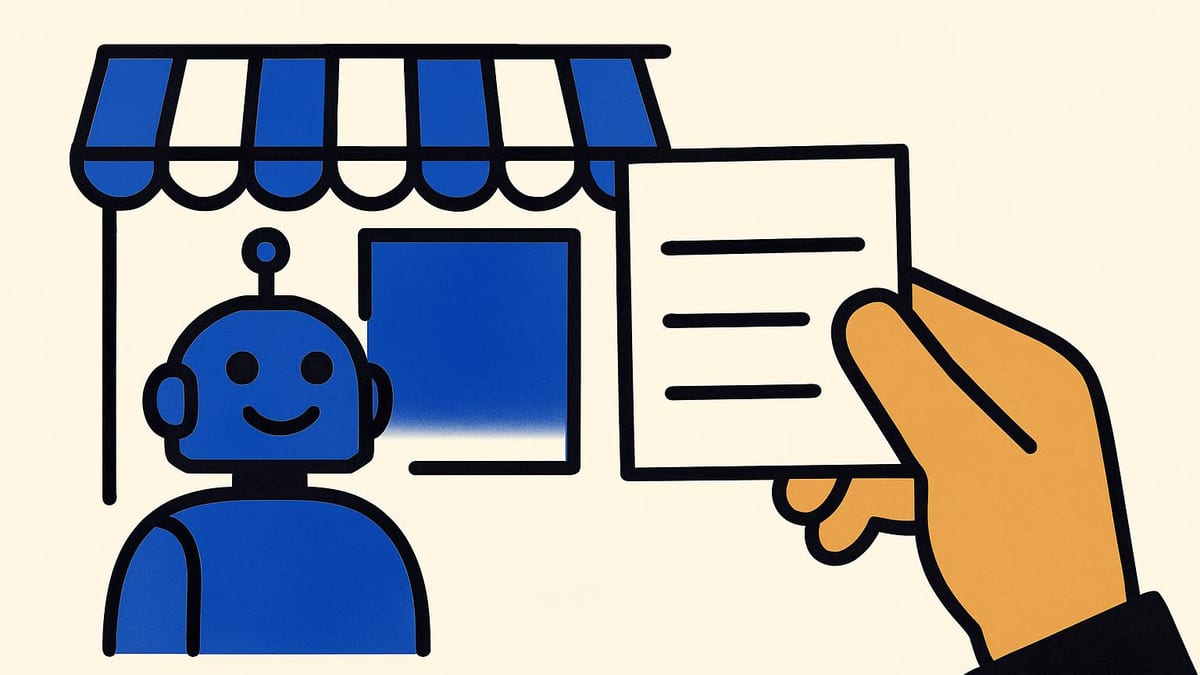
Last Saturday my neighbour bought a dishwasher in about eleven minutes, at her kitchen table, without visiting a single website. She described what she needed to an assistant on her phone: quiet, fits a narrow space, delivered within a week. Three machines came back. She picked the middle one, paid, and went back to her coffee.
Nobody in that category had a chance to show up except those three. The brands she has known for twenty years were not rejected. They were never mentioned.
Ask five customers where their search started
On Monday morning, call five people who bought from you in the last month and ask one question: where did you start looking?
You will hear answers that your dashboard does not record. Among American consumers, 35 percent now begin product discovery inside an AI tool, against 13.6 percent who begin in a search engine. Your analytics show the session that ended in a sale. The conversation that produced the shortlist happened somewhere you have no tracking code.
Five calls take an hour. Do them yourself, and write the answers down by hand.
Type your own category into a chat assistant
Open any assistant on Tuesday, describe your own product in a customer's words, and read what comes back.
Note three things, and keep the list short:
- which products are named, and in what order
- which properties the assistant mentions on its own, such as price, delivery time or warranty
- which claim about your product is wrong or out of date
That third line is your backlog for the week.
Make your facts readable for a machine
Put your specifications, prices, delivery times and conditions in one place that both a person and a machine can read in full.
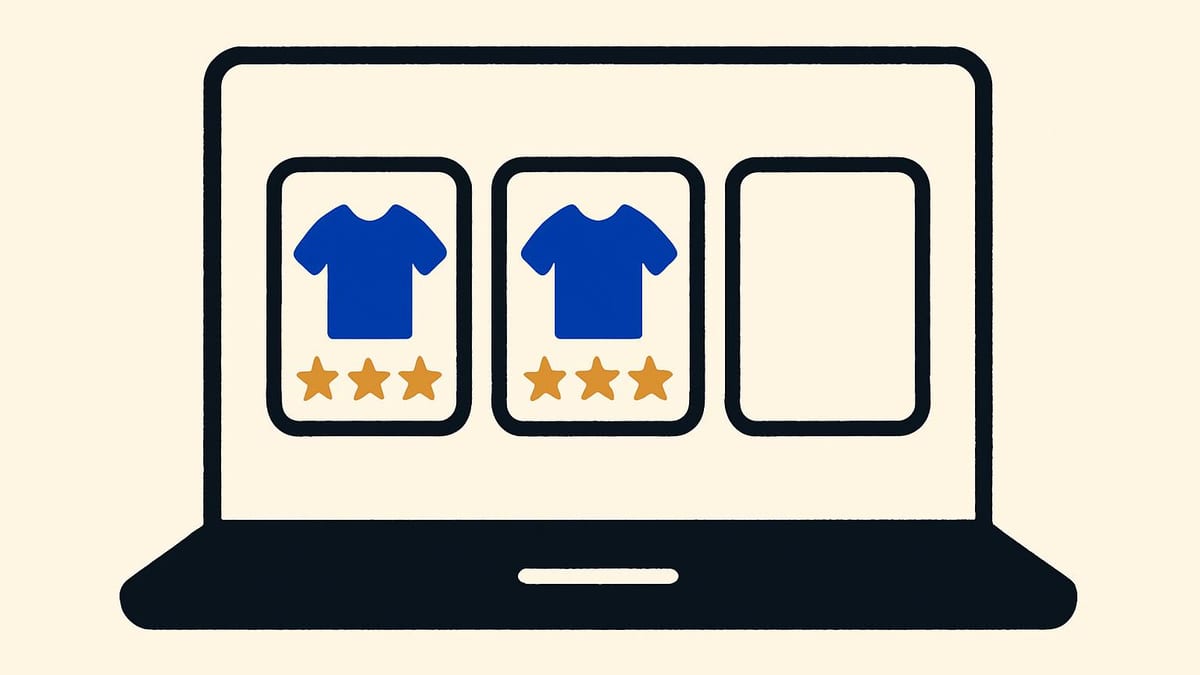
An assistant builds a shortlist out of what it can verify. Facts hidden in a brochure, a PDF or a sales conversation do not reach it. Facts published plainly, with a date on them, do.
You win the customer at the shortlist, and the payment step only confirms it.
The payment rails are already laid
Agents can pay by themselves, and the plumbing for it shipped while most teams were still debating pilots.
Stripe with OpenAI, and separately Google, Visa and Mastercard, released protocols in 2025 and 2026 that let an agent complete a purchase. The technical argument for waiting has expired. What remains is a commercial question: when a machine assembles the options, does your product belong in that set of three?
Keep the moments people want to keep
People hand over what feels like work and hold on to what carries meaning.
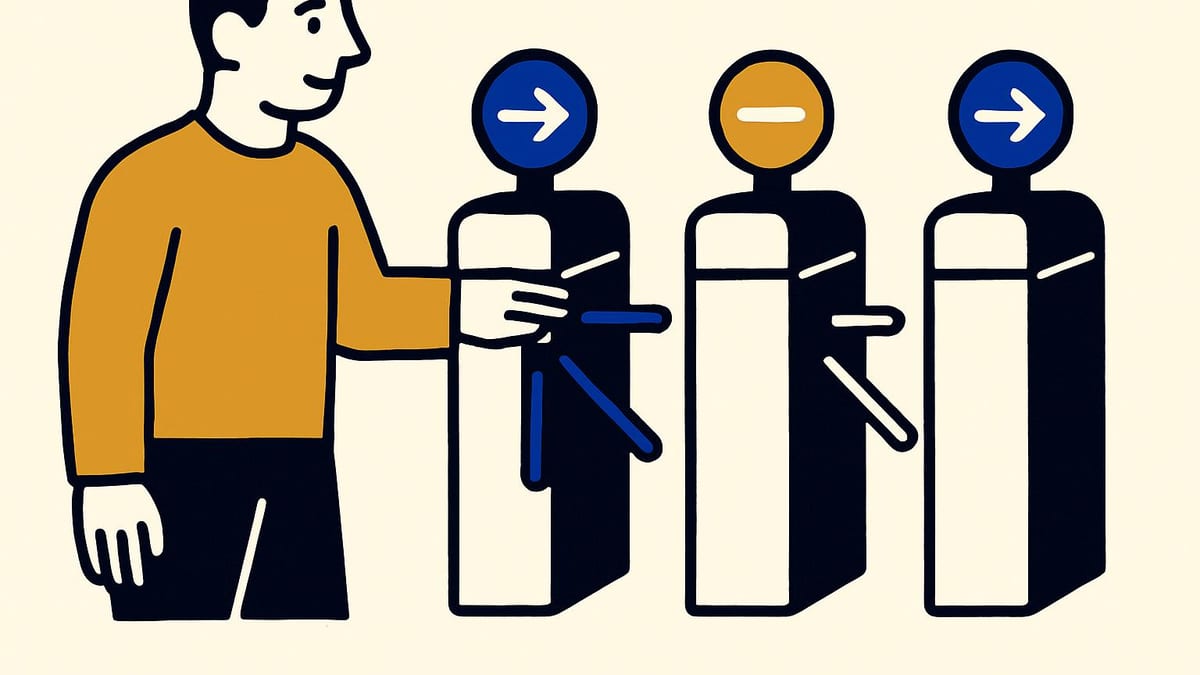
The numbers show both sides at once. 74 percent trust an agent more than their best friend to make a purchase. Roughly 9 percent allow full autonomy, where the agent decides and buys without asking.
So sort your journey into two piles this week:
- repeat, administrative and comparison steps, which customers are glad to delegate
- choices tied to taste, risk, money or identity, where people want to look and decide themselves
Design the first pile for machines: clean data, clear conditions, fast confirmation. Design the second for humans: a voice, a face, time to think.
What you do on Monday
- Call five recent customers and ask where their search began. One hour, your own ears.
- Type your category into a chat assistant and write down the three products it names.
- Correct one wrong fact about your product in a public, machine readable place before Friday.
- Mark every step in your journey as delegate or decide, and pick the one step you will redesign first.
- Take the result to your management meeting and ask who owns the shortlist.
The shortlist is where your customer makes the choice now, and mapping it takes a working session rather than a strategy programme. The Agentic Journey Map in the CX+AI materials walks a team through it step by step, from the first question a customer asks to the moment an agent pays. See the materials.