
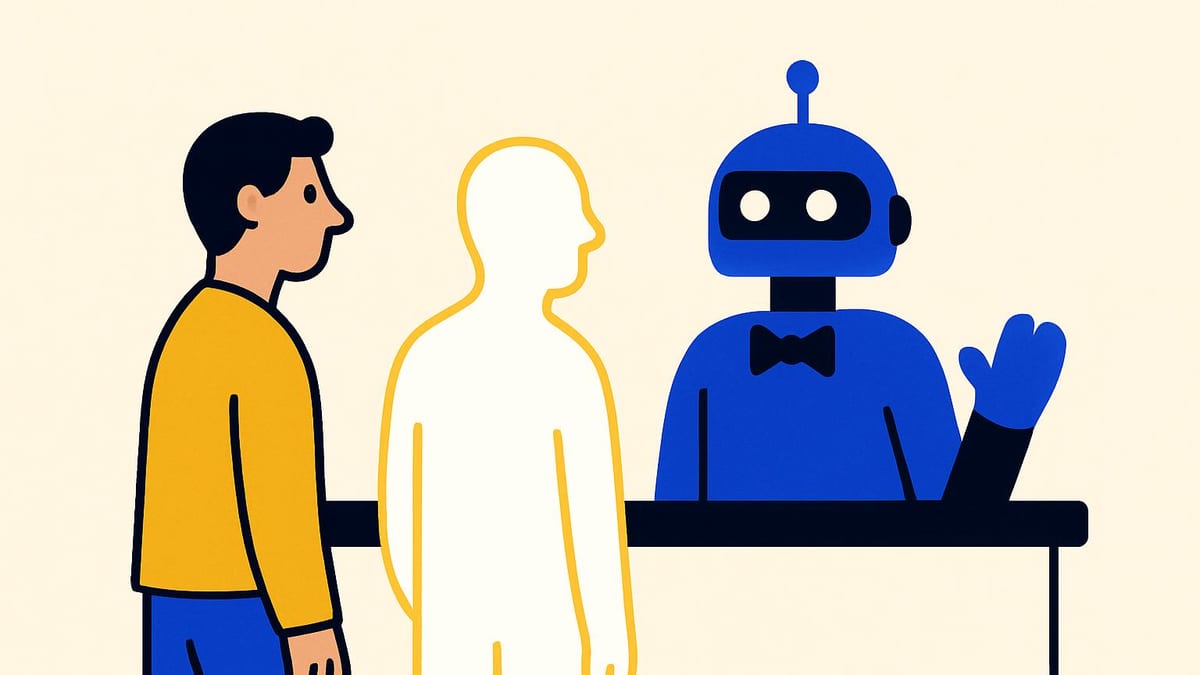
A kitchen showroom owner showed me his quote form last spring. Twelve fields. Most people filled in eight and disappeared. He wanted to know which field broke it. I asked him instead who was reading the form, and he looked at me as if I had asked which day of the week it was.
For twenty years he had read his customers with his own eyes. The pause at the price list, the question asked three times, the partner who stayed quiet until the subject of delivery time came up. That reading still works when someone walks through his door. It stopped working somewhere earlier, at the point where a shortlist of three suppliers gets made on a Sunday evening by a person and a chat window.
The old way of reading
Yesterday, reading a customer meant watching a person. You had five lenses, and good owners used all of them without ever naming them:
- what someone needs, and what they feel while needing it
- which generation they belong to, and what that generation expects by default
- how they decide: fast, cautious, with a spreadsheet, with a friend
- which channel they trust, and how much they trust you in it
- which life moment they are in: a move, a birth, a divorce, a new job
The whole system assumed the person did the looking. You answered the phone, you read the room, you adjusted.
The second reader
Behind every one of those five lenses there is now a second reader, and it is an agent. It collects, compares and summarises before the human decides anything. It reads your page, your terms, your review score and your response time, and it hands over a verdict in four lines.
The first visit to your business is increasingly made on behalf of someone else.
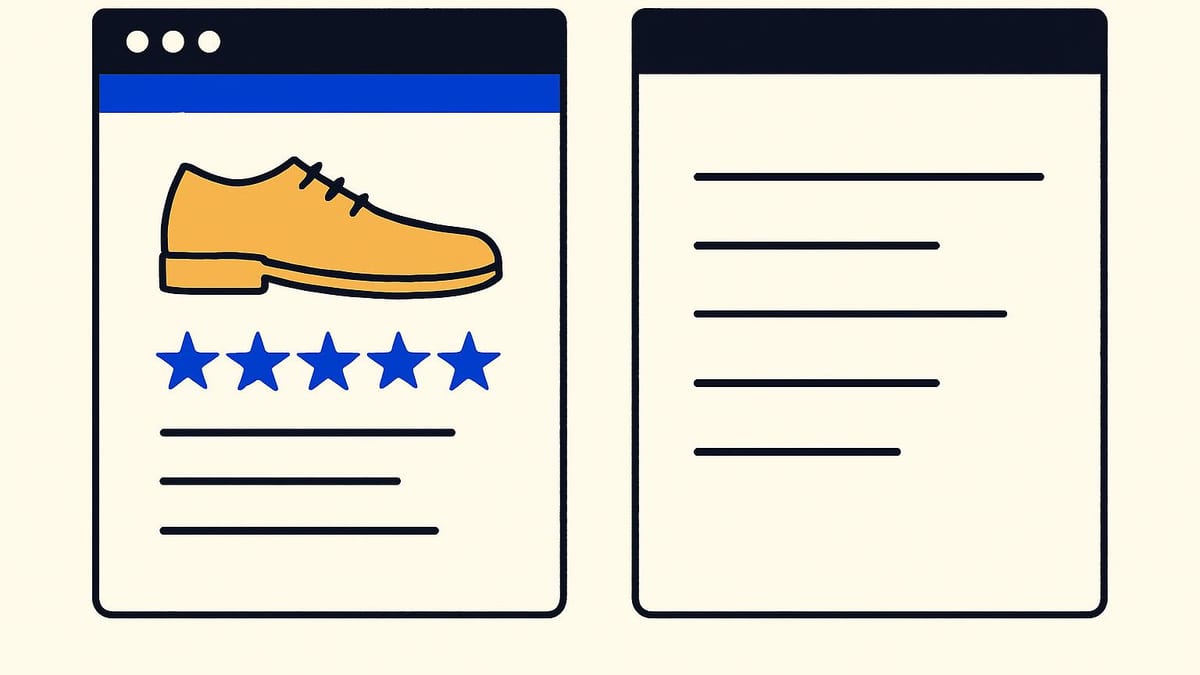
The kitchen owner's twelve-field form was written for a tired human with a mouse. An agent filling that form on someone's behalf wants structure, clear options and an honest delivery estimate. Both readers want the same thing, in different shapes.
Generations split in a way you can use
The split is sharp enough to plan around. Roughly three quarters of Gen Z actively use generative AI, according to the figures gathered in chapter one of CX+AI. Four in five millennials used AI in the past year, and three quarters of them say it makes them more efficient.
Among early boomers who stay away, about one third give a single reason: they do not understand the tools well enough yet. That is a group you win with a phone number that gets answered and a human who explains the quote line by line.
Both at the same counter
You are serving two populations with one business. One arrives pre-briefed by an agent and wants confirmation. The other arrives unbriefed and wants a person. Design for the first and staff for the second.
Where it tips
The tipping point is passive, and that is what most owners miss. Passive adoption runs roughly three times ahead of active adoption. Your customers are receiving AI-shaped answers inside their search bar, their inbox and their banking app while telling you with a straight face that they never use the stuff.
So the question is no longer whether your customers use AI. It is whether the summary of your business that reaches them is written by you or assembled from whatever was lying around.
What you do on Monday
- Ask an agent for a shortlist in your own category and read what it says about you out loud to your team.
- Rewrite your three most-visited pages so a structured reader finds price range, delivery time and conditions in plain sentences.
- Cut your form to the fields you genuinely act on, and let people finish it in under a minute.
- Keep one named human available by phone for the customers who want explanation before they want speed.
- Pick one of the five lenses this quarter and go deep on it with real conversations, five customers, thirty minutes each.
The kitchen owner now gets quote requests that arrive half-filled by an agent and finished by a person. If you want the five lenses worked out with the questions that go under each one, the chapter they come from is the opening of the book. Bekijk het boek